Football Protective Padding Types and Coverage
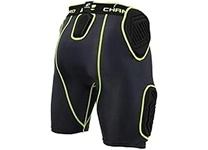
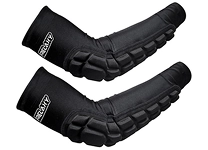
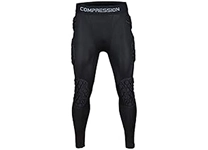
Football protective padding includes equipment designed to cushion contact across the torso and limbs during practices and games. For American football, common choices include shoulder pads, rib protectors, padded shirts, hip pads, thigh pads, knee pads, and tailbone protection. Many uniform pants have pockets for removable hip, thigh, and knee inserts, while compression tops can hold padding close to the body. Players of other football codes may look for impact shorts, padded base layers, goalkeeper protection, or targeted knee and elbow pads, depending on the rules and demands of their game. Coverage varies by product: a padded shirt may protect the ribs and shoulders, while separate inserts allow focused protection. Compare the coverage map and intended sport before choosing so the padding suits your position, uniform, and level of contact.
- Shoulder, rib, hip, thigh, knee, and tailbone options
- Padded shirts and compression base layers
- Choose coverage suited to your football code
Fit, Sizing, and Secure Placement
A close, stable fit helps football padding stay in place without restricting movement. Use the manufacturer's size chart and measure the body areas specified, such as chest circumference, waist, hip, or thigh. Shoulder pads should sit evenly and align with the player's shoulders; body padding should cover the intended area without bunching or shifting. Check that straps, snaps, closures, and insert pockets hold securely, and try the equipment with the jersey, pants, or base layer you plan to wear. Padding that is too loose may move during play, while an overly tight fit can feel restrictive or create pressure points. Youth players need correctly sized equipment rather than oversized gear intended to last longer. Recheck fit as a player grows, changes layers, or moves to a different uniform style.
- Measure against the product's size chart
- Check coverage and movement in uniform
- Reassess fit as the player grows
Materials, Cushioning, and Design Features
Football padding combines a protective outer surface with cushioning materials selected for flexibility, impact absorption, and comfort. Foam constructions vary in density and thickness; some designs use layered or shaped foam to balance coverage with mobility. Ventilated panels, moisture-managing fabrics, and perforations can support airflow during demanding activity, while flexible compression garments help keep inserts close to the body. Hard-shell components may appear in certain shoulder-pad designs, paired with internal cushioning and adjustable straps. Consider weight, breathability, seams, and how easily padding bends when comparing products. Materials and construction differ by model, so review the product details rather than assuming every pad offers the same feel or coverage. Established football equipment makers such as Riddell, Schutt, and Xenith offer examples of differing pad designs; compare features against your fit and use requirements.
- Compare foam construction and flexibility
- Look for breathable, moisture-managing fabrics
- Review weight, seams, and adjustment features
Position, Activity, and Equipment Compatibility
The right padding depends on how a player moves, where contact is expected, and what the uniform can accommodate. Linemen may prioritize coverage and a stable shoulder-pad fit, while skill-position players often value a less restrictive feel and freedom of movement. These are general preferences, not fixed rules; team guidance and individual fit matter. Check whether pants have pockets for removable pads and whether a padded shirt works beneath the jersey without layering awkwardly. Protective shorts and compression tops can be useful for training or for sports requiring different coverage from traditional American football equipment. At Ubuy, shoppers can explore international football padding options and compare product descriptions, included inserts, and intended use. Confirm dimensions and compatibility with existing uniforms before ordering, especially when combining items from different equipment systems.
- Match coverage to position and activity
- Check uniform pockets and layering space
- Compare included inserts and dimensions
Care, Inspection, and Replacement Checks
Regular care helps maintain the condition and fit of football protective padding. Follow the product's cleaning instructions, since removable foam inserts, compression garments, and hard-shell pads may require different handling. Remove inserts when directed, allow damp equipment to dry fully, and store it in a ventilated place away from unnecessary heat or prolonged moisture. After use, inspect stitching, straps, fasteners, pad pockets, and foam for tears, looseness, deformation, or other visible wear. Replace components that no longer remain secure or cover the intended area, and consult the manufacturer or team equipment staff if damage is unclear. Keep removable pads organized so they return to the correct pockets before play. Clean equipment also makes it easier to notice wear and confirm that each piece still fits properly when worn with the uniform.
- Follow care instructions for each material
- Dry and store equipment with airflow
- Inspect straps, seams, foam, and inserts
Select the Right football protective padding
Start by identifying the sport and the areas you want to cover, then narrow options by size, fit, and compatibility with your uniform. Compare the type of padding, its material and construction, adjustability, breathability, and whether inserts are included or sold separately. Consider how the equipment feels while running, bending, and reaching, rather than judging fit only while standing still. Check product specifications and sizing guidance, and follow applicable team or league requirements when choosing gear for organized play. Ubuy can help shoppers discover international football protective padding products and compare the details provided for different designs. Before making a purchase, confirm the selected size, intended use, and compatibility with your existing equipment. A considered choice balances coverage, comfort, mobility, and straightforward care for the player's routine.
- Prioritize correct size and intended coverage
- Verify uniform and insert compatibility
- Compare specifications before purchase